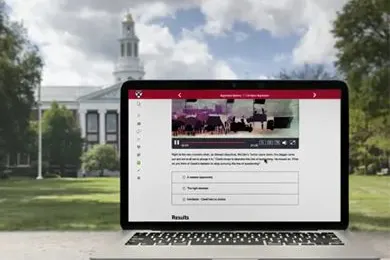
Explore a practical, foundational approach for everyday management with actionable frameworks for running effective meetings, strengthening team performance, and adapting the systems and incentives that drive results in today's AI-enabled, distributed organizations.
Explore a foundational, process-based approach for everyday management—improving meetings, team performance, behavior, and adaptability
Strengthen your ability to lead through dialogue, enhancing communication, psychological safety, and team effectiveness
Analyze how incentives drive behavior, identify misalignment, and make subtle changes that improve commitment beyond pay
Understand how AI-enabled work and distributed teams are reshaping organizations, and what managers must do to adapt
Develop the forward-thinking managerial mindset required to lead in flexible, tech-enabled environments
Who Will Benefit
Build a strong foundation for managing people, making decisions, and driving execution with practical tools you can apply immediately.
Being able to break down real-life scenarios, and look at the management processes within each—what worked and what didn't—provided a unique method of learning, and incomparable to other course offerings available.
Monica Higgins; Account Director at Hollywood Agency
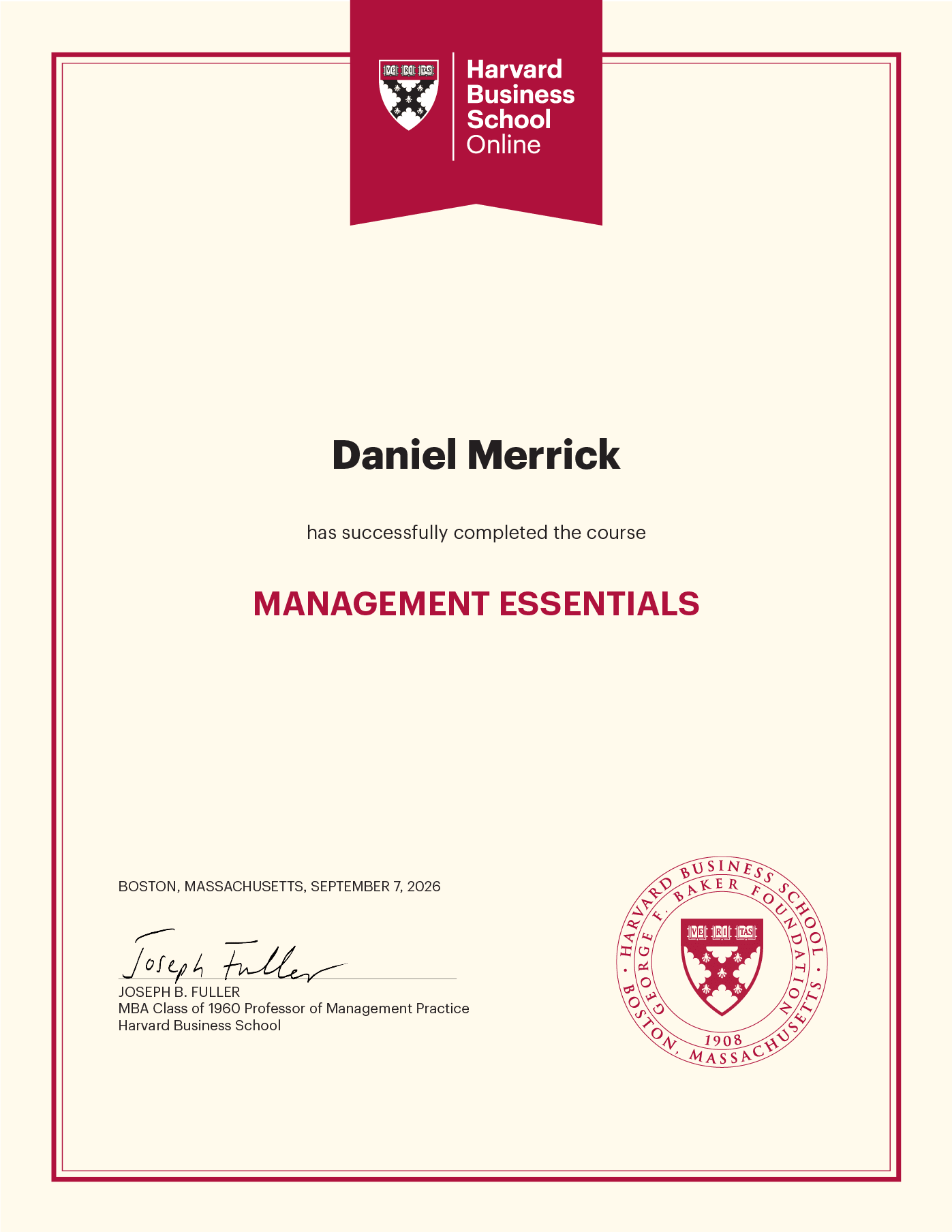
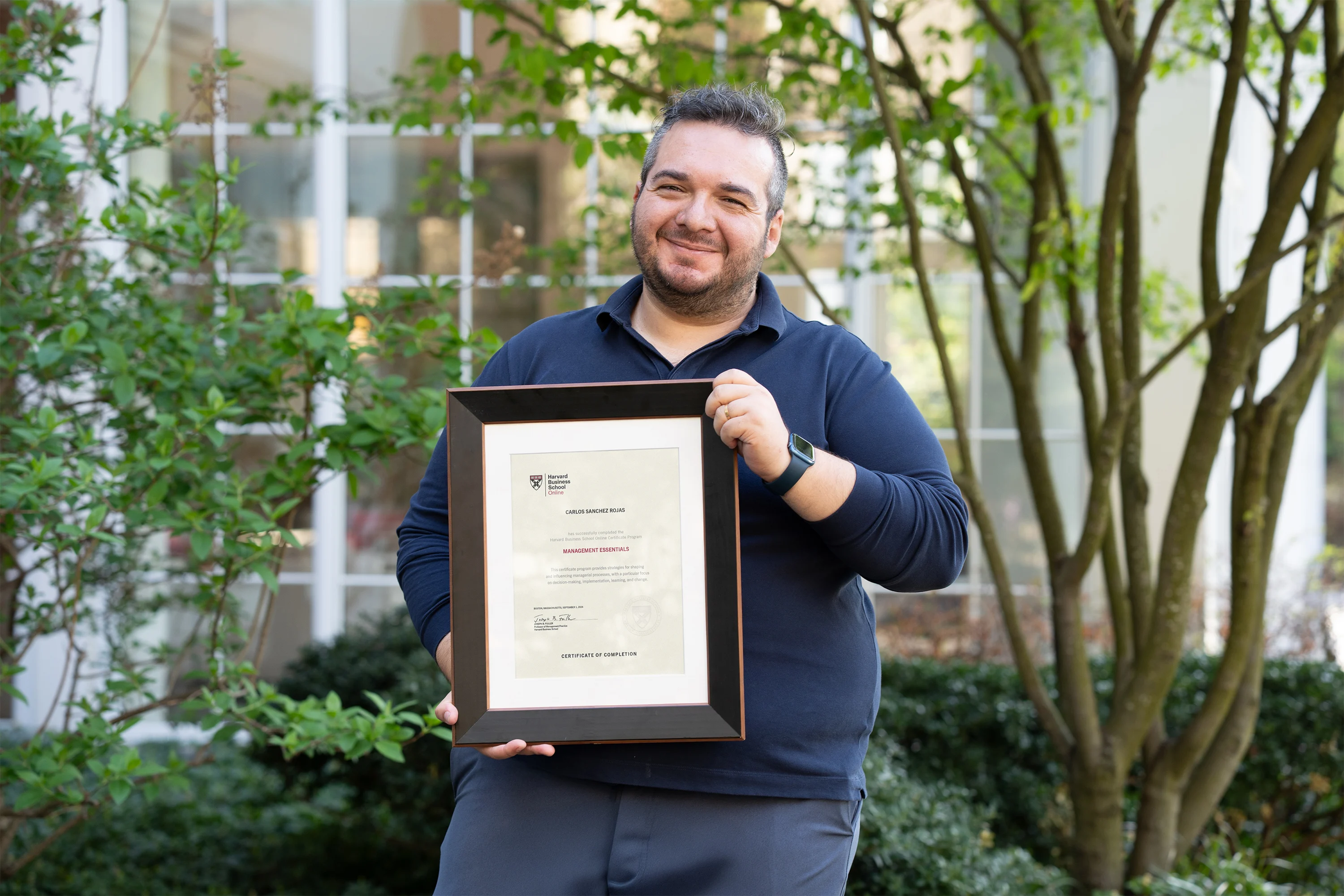
Certificate of Completion Boost your resume with a Certificate of Completion from HBS Online Earn by: completing this course
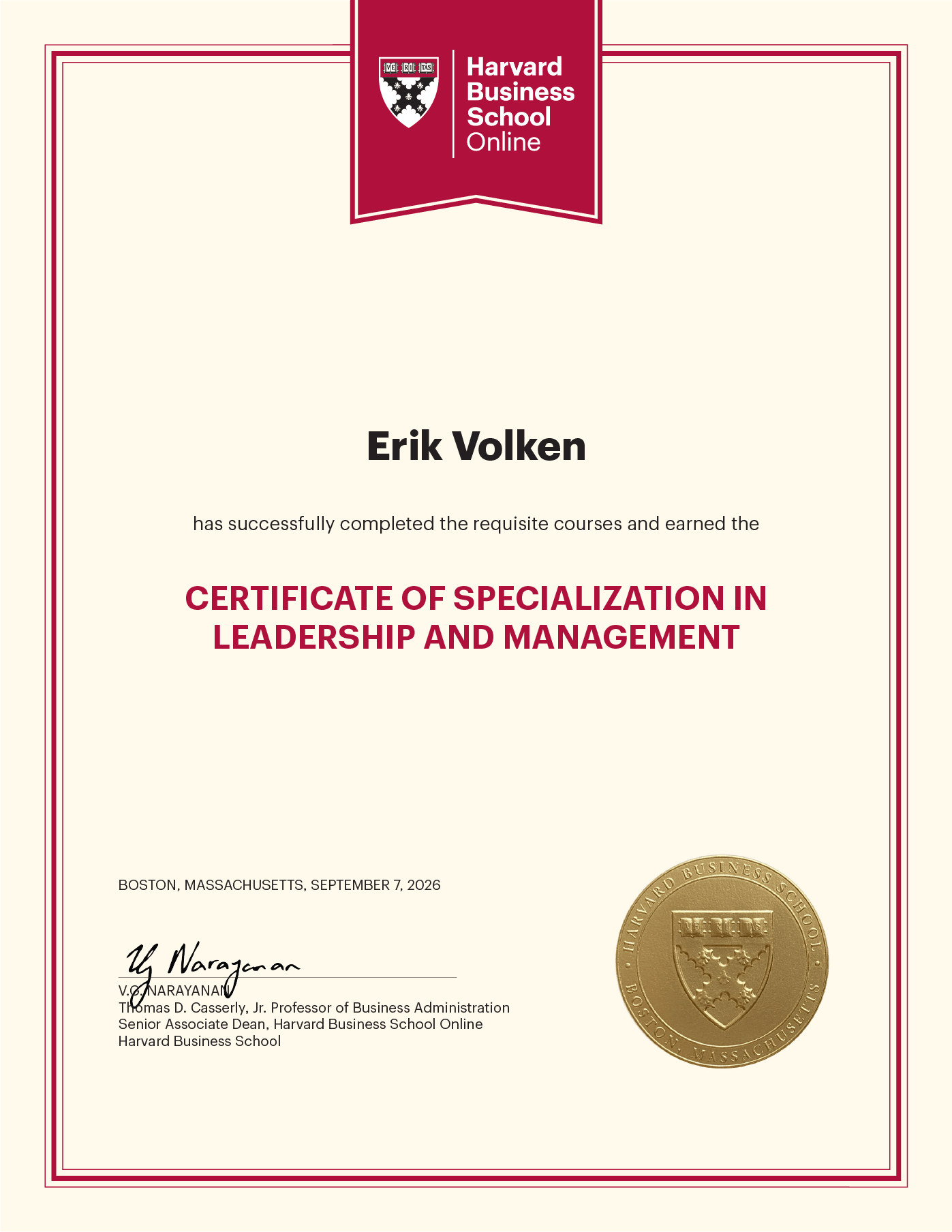
Certificate of Specialization Prove your mastery of leadership and management Earn by: completing any three courses within this subject area to earn a Certificate of Specialization
Apply a process perspective to core managerial work by analyzing how tasks get done, distinguishing between learning and change, and using implementation to improve outcomes.
Highlights
PlayVideo duration:0:28
Seeing Management Through a Process Lens
PlayVideo duration:0:34
Why Getting the Problem Right Comes Before Choosing a Solution
Concepts
The Role of the General Manager: Process and Change
Decision-Making Under Stress: Getting the Process Right
Learning as a Manager
From Learning to Organizational Change
Featured Exercises
Identify and analyze a process in your organization
Step into the shoes of a CEO to diagnose and redesign a broken decision-making process
Module 2
Dialogue & Communication
5-6 Hours
Explore how communication shapes team dynamics and outcomes. Develop tools to surface assumptions, navigate difficult conversations, and balance candor with empathy and authority to strengthen alignment and team effectiveness.
Highlights
PlayVideo duration:0:26
Looking Under the Hood
PlayVideo duration:0:22
Kantor’s Conversational Roles
Concepts
Listening as Leadership
Designing Productive Dialogue
Institutional Communication
Finding Alignment
Essential Communication Skills
Featured Exercises
Evaluate a communication strategy—assessing what worked, what didn’t, and why
Design and rehearse a high-stakes conversation, using AI to roleplay
Module 3
Incentives
5-6 Hours
Discover how incentives shape behavior, culture, and performance. Identify misalignments and adjust everyday signals to improve team effectiveness.
Highlights
PlayVideo duration:0:18
Local Decisions in a Complex System
PlayVideo duration:0:25
Why Growth Exposed Incentive Fault Lines
Concepts
Why Incentives Matter
Incentives and Consequences
Incentive Structures
Designing Better Incentive Systems
Leadership, Management, and Incentives
Featured Exercises
Identify gaps between intended and experienced incentives, uncovering signals that shape daily decisions
Diagnose patterns of incentive failure across organizations
Module 4
Managing Distributed, AI-Enabled Teams
5-6 Hours
Understand how emerging technologies and workforce trends are reshaping organizational structures, and evaluate the implications of alternative models. Adapt communication norms, decision-making structures, and team processes to lead in flexible, tech-enabled, distributed environments.
Highlights
PlayVideo duration:0:23
Remote Work
PlayVideo duration:0:23
AI and the Diamond Structure
Concepts
Distributed Organizations
Capability Markets
Generative AI and the Structure of Work
Managing AI as a Member of the Team
What Managers Are Actually Managing Now
Featured Exercises
Design the role of an AI agent within a team
Map how and where value is created in your organization by assessing your contributor ecosystem, decision interfaces, and how accountability structures work in practice
Stay active by engaging in a new activity every three to five minutes, including exploring real managerial challenges, examining team processes, and applying frameworks to enhance communication, incentives, and on-the-ground execution.
Real-World Connections
Get social by collaborating and networking with a global community of peers before, during, and after the course. Learners who successfully complete an HBS Online program are added to the HBS Online Community's Official Networking Group and gain exclusive access to events and other networking opportunities.
Real-World Cases
Immerse yourself in real-world, case-based examples brought to life by industry-leading experts from companies like Alba, UNCF, Hakluyt, Catalant, and Upwork.
My favorite part was learning from top-tier industry leaders. They shared the same problems I'm facing in my day-to-day work.
Carlos Rojas
Digital Product Strategy Director at TV Azteca
Management Essentials FAQs
Free E-Book
How to Become a More Effective Leader
Explore the difference between leadership and management, the qualities and skills that characterize an effective leader, and how you can unleash the potential in yourself and others.
Bring HBS Online’s flexible, scalable, and high-impact learning experiences to your organization through shared learning and group discounts for teams of five or more.