
Are you interested in a career that combines creativity, technology, and data-driven decision-making? Digital marketing allows you to apply all three.
From content creation and social media to search engine optimization (SEO), paid advertising, and data analytics, the field offers a variety of career paths. As AI reshapes how businesses reach and engage customers, professionals who combine marketing skills with strategic thinking and adaptability will be better positioned to succeed.
So, how do you get started? This guide explores what digital marketers do, the skills employers value, and practical steps you can take to launch a digital marketing career.
Featured Certificate Course
Digital Marketing Strategy and AI
Develop digital marketing strategies that combine proven marketing frameworks with AI to acquire, engage, and retain customers—and deliver measurable business results.
Start Anytime | 6 Modules | 5-7 Hours per Module | $1,949
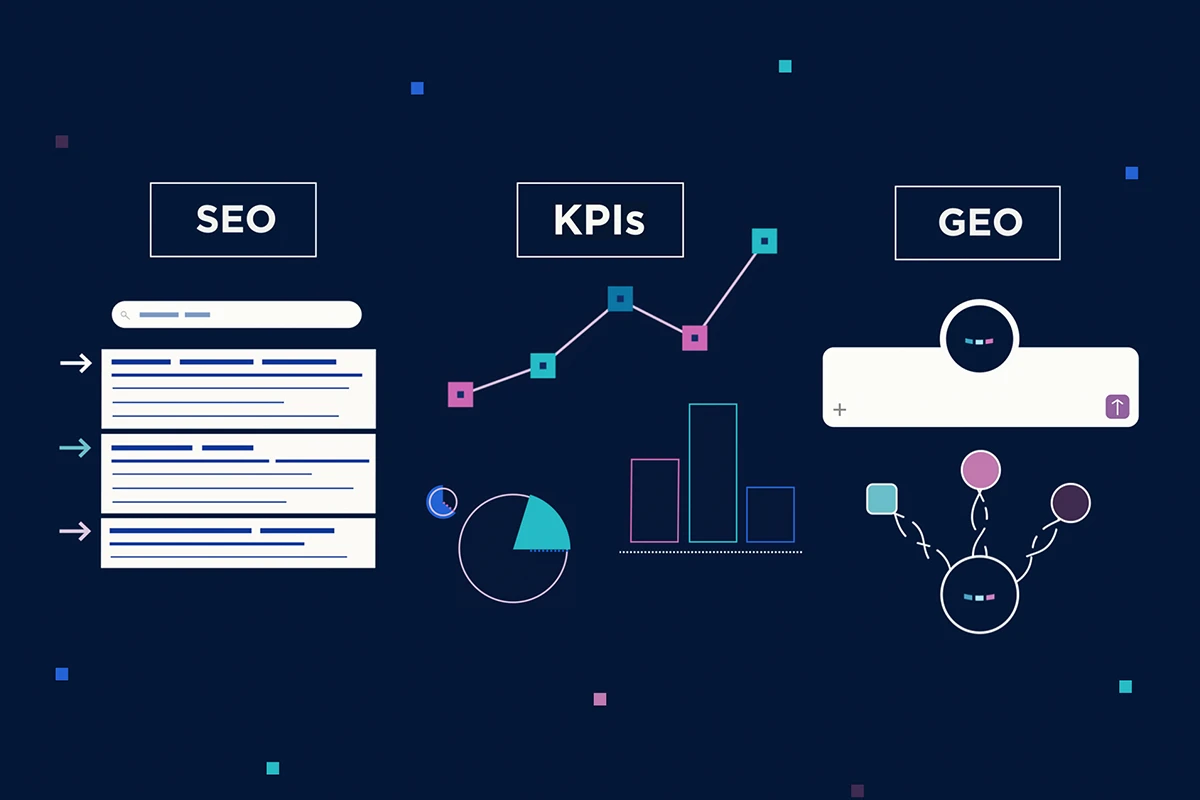
What Is Digital Marketing Today?
Digital marketing is how businesses use digital channels, platforms, and technologies to reach and engage customers. It spans social media, search engines, email, websites, e-commerce, online advertising, data analytics, and AI-powered tools.
But digital marketing is about more than technology. It requires understanding customers’ needs and challenges, then delivering the right message through the right channel at the right time. Effective marketers use these insights to create meaningful customer experiences and support business goals.
Digital marketing has also made it easier for businesses to reach specific audiences across multiple platforms. As Harvard Business School Professor Sunil Gupta explains in the online course Digital Marketing Strategy and AI, “Marketing has shifted from reaching ‘everyone in one place’ to reaching different groups of consumers across many places.”
This shift has created opportunities for startups and small businesses to reach niche audiences, sell directly to consumers, and build loyal brand communities without relying exclusively on multimillion-dollar advertising campaigns.
Dollar Shave Club, highlighted in Digital Marketing Strategy and AI, is a powerful example. The company used a single YouTube video with a clear value proposition and memorable messaging to promote its razor subscription service, attracting 12,000 subscribers within two days.
Today, AI is accelerating this transformation. It can help marketers analyze customer behavior, personalize campaigns, generate content, automate routine tasks, and identify new opportunities. At the same time, marketers must apply human judgment to help ensure AI-generated content is accurate, creative, and true to the brand.
These developments have created new opportunities for professionals interested in digital marketing, from content creation and social media to SEO, paid advertising, email marketing, and analytics.
What Digital Marketers Do
A digital marketer develops and manages strategies that help organizations reach customers through online channels. Responsibilities vary by role and organization, but most digital marketers combine strategic planning, content development, campaign management, and data analysis.
Understanding these responsibilities can help you identify which skills and specialties align with your career goals.
Craft Digital Marketing Plans
A digital marketing plan outlines how an organization will reach its target audience and achieve business goals, such as increasing brand awareness, generating leads, driving sales, or retaining customers.
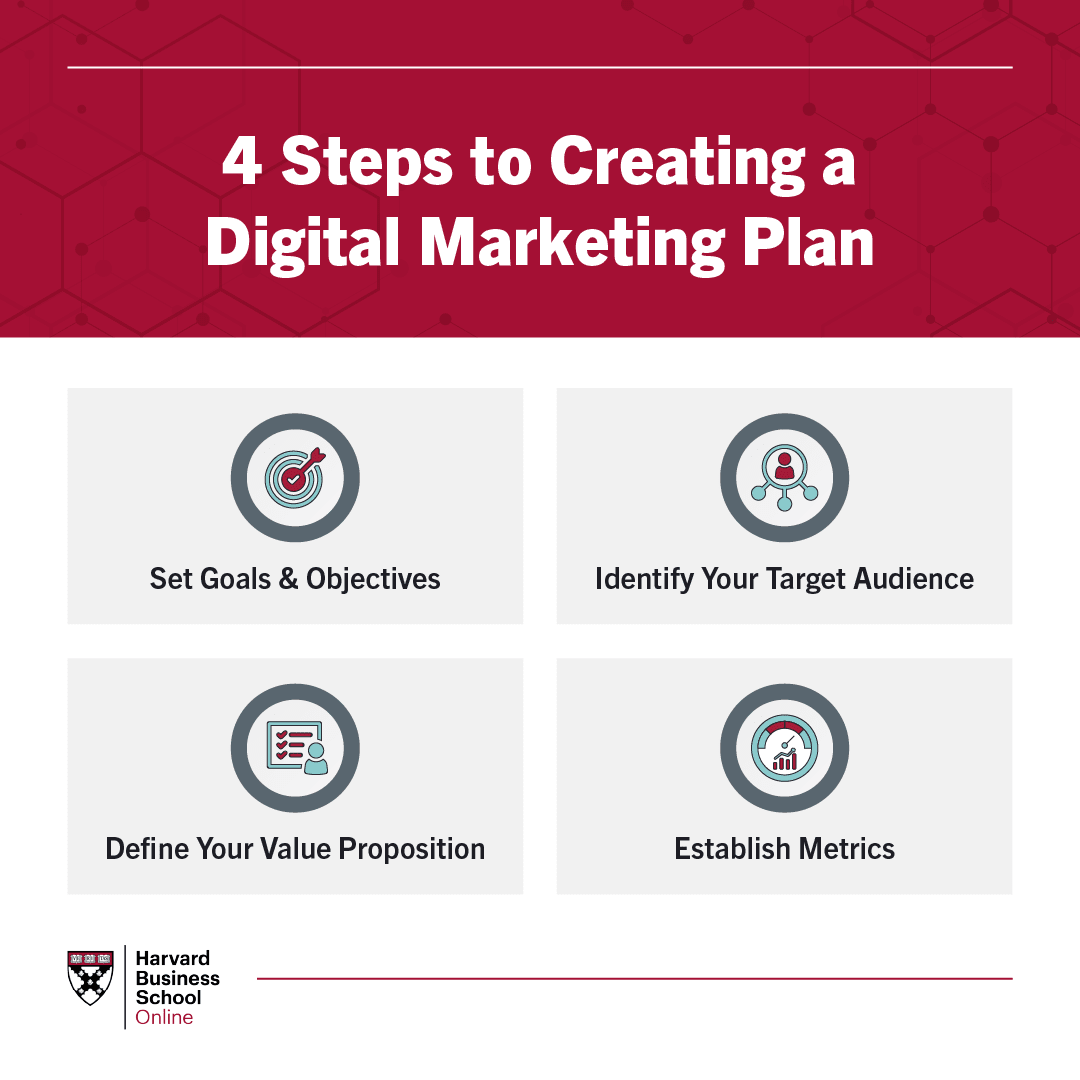
According to Gupta in Digital Marketing Strategy and AI, the key building blocks of a digital marketing plan include:
Setting goals and objectives
Defining your unique value proposition
Identifying your target audience
Establishing measurable metrics
A strong plan helps marketers choose the right channels, develop relevant messaging, allocate resources, and measure progress. It also provides a reference point for evaluating campaign performance and making adjustments when results fall short of expectations.
To practice, create a simple marketing plan for a small business or personal project. Include it in your professional portfolio to demonstrate your strategic thinking to potential employers.
Select and Manage Channels
Once a plan is in place, digital marketers bring it to life by selecting channels that reach their target audience, generate interest, and ultimately turn prospects into customers.
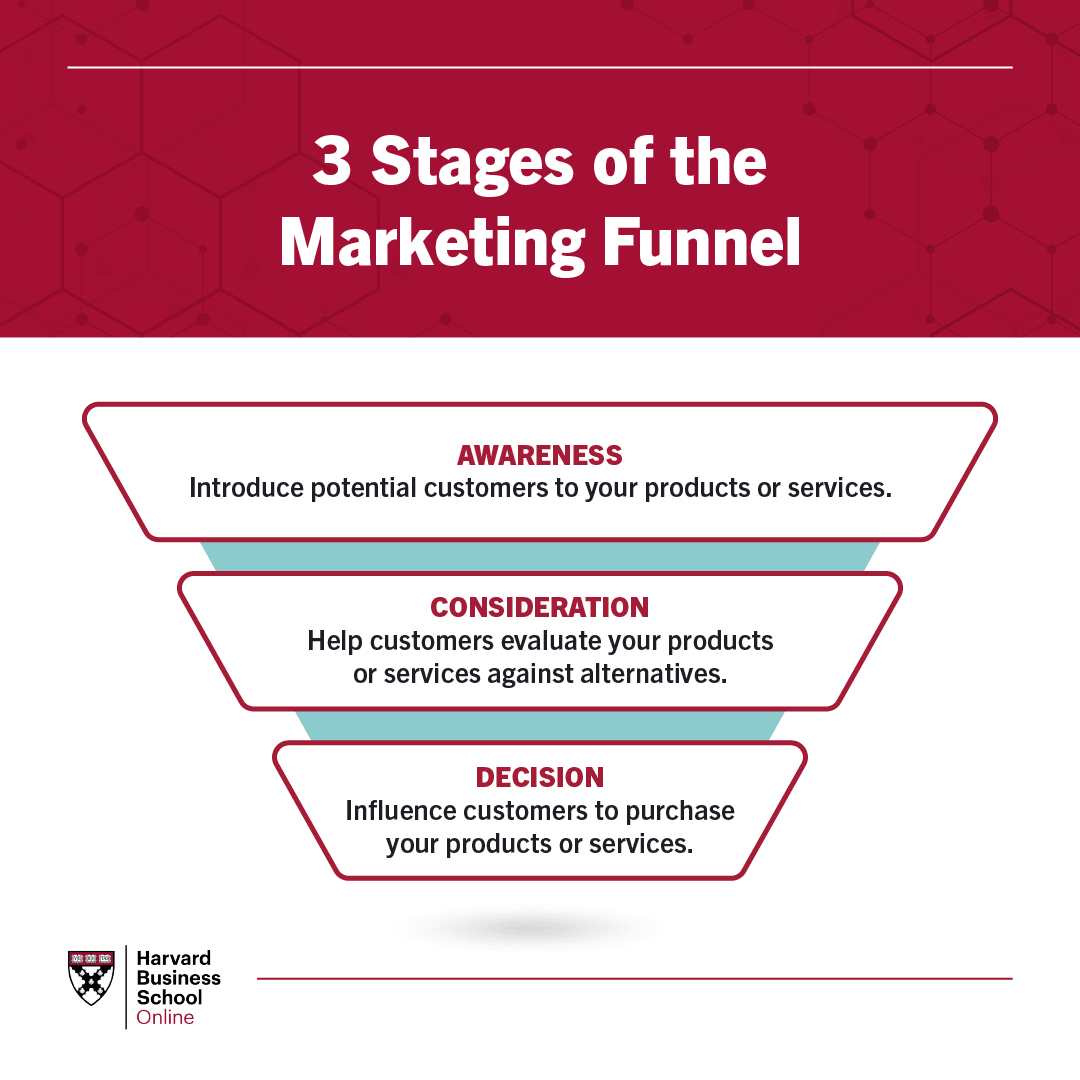
A useful way to make these decisions is to map channels to the marketing funnel, which outlines the stages customers move through as they discover a brand, evaluate their options, and decide whether to take action.
In Digital Marketing Strategy and AI, Gupta breaks down the funnel into three stages:
Awareness
At the awareness stage, the goal is to introduce potential customers to a brand, product, or service. Marketers may use social media, influencer partnerships, video, and display advertising to capture attention and build recognition.
Consideration
Once customers know a brand exists, they begin researching and comparing their options. Blog posts, SEO-driven articles, email campaigns, product reviews, and testimonials can answer questions, demonstrate value, and boost credibility.
Decision
At the decision stage, marketers focus on turning interest into action. Paid search, retargeting ads, promotional emails, and optimized product pages can motivate customers to make a purchase, sign up, or request more information.
To build your skills, choose a business and identify the digital channels you'd use at each stage of the funnel. Be prepared to explain your choices and how you'd measure effectiveness—an exercise that can also help you demonstrate your knowledge during job interviews.
Monitor Campaign Performance
Selecting the right channels is only the beginning. Digital marketers must also monitor campaign performance and shift resources toward activities producing the strongest results.
Key performance indicators (KPIs) help marketers determine whether campaigns are meeting their objectives.
In Digital Marketing Strategy and AI, Gupta highlights several metrics marketers can use to evaluate performance, including:
Impressions
Search engine rankings and AI visibility
Click-through rate (CTR)
Cost per click (CPC)
Conversion rate
Customer acquisition cost (CAC)
Return on investment (ROI)
Customer lifetime value (CLV)
When selecting KPIs, marketers should prioritize metrics that align with campaign objectives and provide actionable insights into performance.
The ability to interpret these metrics can help candidates stand out in interviews. Be prepared to explain what each metric measures, why it matters, and what action you would take based on the results.
Develop Strategies to Acquire and Retain Customers
Digital marketers generally organize channels into three categories: paid, owned, and earned media.
In Digital Marketing Strategy and AI, Gupta explains that, with the rise of digital marketing, “the options for acquiring customers have broadened.”
Paid media includes advertising a company pays for, such as Google search ads, Instagram promotions, TikTok ads, and display advertising.
Owned media includes a company’s own platforms and content, such as its website, blog, newsletters, social media accounts, and product pages.
Earned media includes third-party coverage and recommendations, such as news articles, customer reviews, social media mentions, word-of-mouth referrals, and unsolicited influencer endorsements.
Effective strategies create synergy among all three. For example, a company might publish a video on its own social media account, pay to promote it, and then benefit when customers share it organically.
These channels can support customer acquisition and retention. After a purchase, marketers can use owned media to maintain customer relationships through personalized recommendations, helpful content, and ongoing support. These efforts can encourage repeat purchases and strengthen loyalty.
For aspiring digital marketers, learning how to acquire and retain customers is essential to developing the strategic skills employers value and contributing to a company’s long-term growth.
Digital Marketing Skills Employers Look For
As digital marketing evolves, employers increasingly value professionals who can combine foundational marketing skills with emerging technologies.
“The digital revolution expanded marketers’ tools and responsibilities,” Gupta explains in Digital Marketing Strategy and AI. “The rise of generative AI introduces another seismic shift, changing not only what marketers do, but how decisions get made.”
According to the American Marketing Association, the share of marketing job postings mentioning AI doubled in 2025. More broadly, PwC research found that workers with AI skills earned a 56 percent wage premium, double the 25 percent in the previous year.
While requirements vary by role, employers often seek candidates who can:
Communicate clearly across written, visual, and digital formats
Understand target audiences, customer needs, and business objectives
Use data and marketing metrics to evaluate performance
Work with digital channels, such as social media, email, SEO, and paid advertising
Use AI-powered tools to support research, content development, analysis, and campaign optimization
Review AI-generated content for accuracy, relevance, brand alignment, and ethical considerations
Think strategically, solve problems, adapt to change, and collaborate effectively
You don’t need to master every skill before pursuing your first role. Build a strong marketing foundation, develop practical AI skills, and look for opportunities to demonstrate how you apply them.
How to Get Into Digital Marketing
There’s no single path into digital marketing, but these four steps can help you develop the skills employers value and experience.
1. Pursue Education or Certificate Programs
Courses and certifications can help you build structured knowledge and demonstrate your commitment to the field. Depending on your goals, you can pursue courses in areas such as SEO, content marketing, analytics, paid media, or AI.
For example, HBS Online offers a wide range of marketing programs—including Digital Marketing Strategy and AI—designed for professionals at every stage, whether they’re new to the field or looking to sharpen their marketing toolkit.
2. Explore Different Specialties
Digital marketing includes many areas of specialization, and exploring them can help you identify the work that best matches your interests and strengths. Common specialties include:
Search engine optimization: Improving a website’s visibility in organic search results
Content marketing: Creating useful content that attracts and engages an audience
Social media marketing: Building awareness and relationships through social platforms
Paid media: Managing search, display, video, or social advertising
Email marketing: Developing campaigns that nurture leads and retain customers
Marketing analytics: Using data to evaluate performance and guide decisions
Growth marketing: Testing strategies across the customer journey to drive sustainable growth
You don’t need to choose a specialty right away. Many entry-level roles involve several channels, allowing you to gain broad experience before developing deeper expertise.
3. Gain Hands-On Experience
Practical experience can demonstrate your abilities, even if you haven’t held a formal digital marketing position.
Consider volunteering to help a nonprofit, student organization, community group, or small business. You might manage its social media presence, improve website content, create an email newsletter, or analyze digital performance.
You can also build experience through freelance projects, part-time work, contract assignments, personal websites, and professional associations.
The goal is to apply marketing concepts to a real problem and show what you learned from the process.
4. Network and Explore Entry-Level Roles
One of the best ways to enter the industry is to start in a role where you can learn from mentors and supervisors while building experience.
Networking can help you get there. It offers an insider’s perspective on the field, introduces you to relevant career opportunities, and can lead to helpful application and interview advice.
To get started, consider attending industry events, reaching out to your LinkedIn connections, and updating your resume to highlight your marketing-related strengths.
Free Cheat Sheet
Marketing Terms Cheat Sheet
Download this guide to explore key marketing concepts and metrics, which can help you analyze campaign performance, drive results, and stay data-driven.

Start Your Digital Marketing Career with HBS Online
Starting a career in digital marketing requires a combination of foundational knowledge, practical experience, and a willingness to keep learning. By exploring different specialties and applying your skills to real-world projects, you can identify opportunities that align with your interests and career goals.
HBS Online offers a variety of marketing courses designed to help you build relevant skills, expand your toolkit, and take the next step in your career.
Are you ready to dive into the digital marketing world? Explore Digital Marketing Strategy and AI—one of our online marketing and digital transformation and AI courses—and download our free Marketing Terms Cheat Sheet to brush up on essential marketing terms.